Concrete Key Width Requirements for a Garage Door
The concrete key for the garage door is a vital part of the system that is often overlooked during the building process.

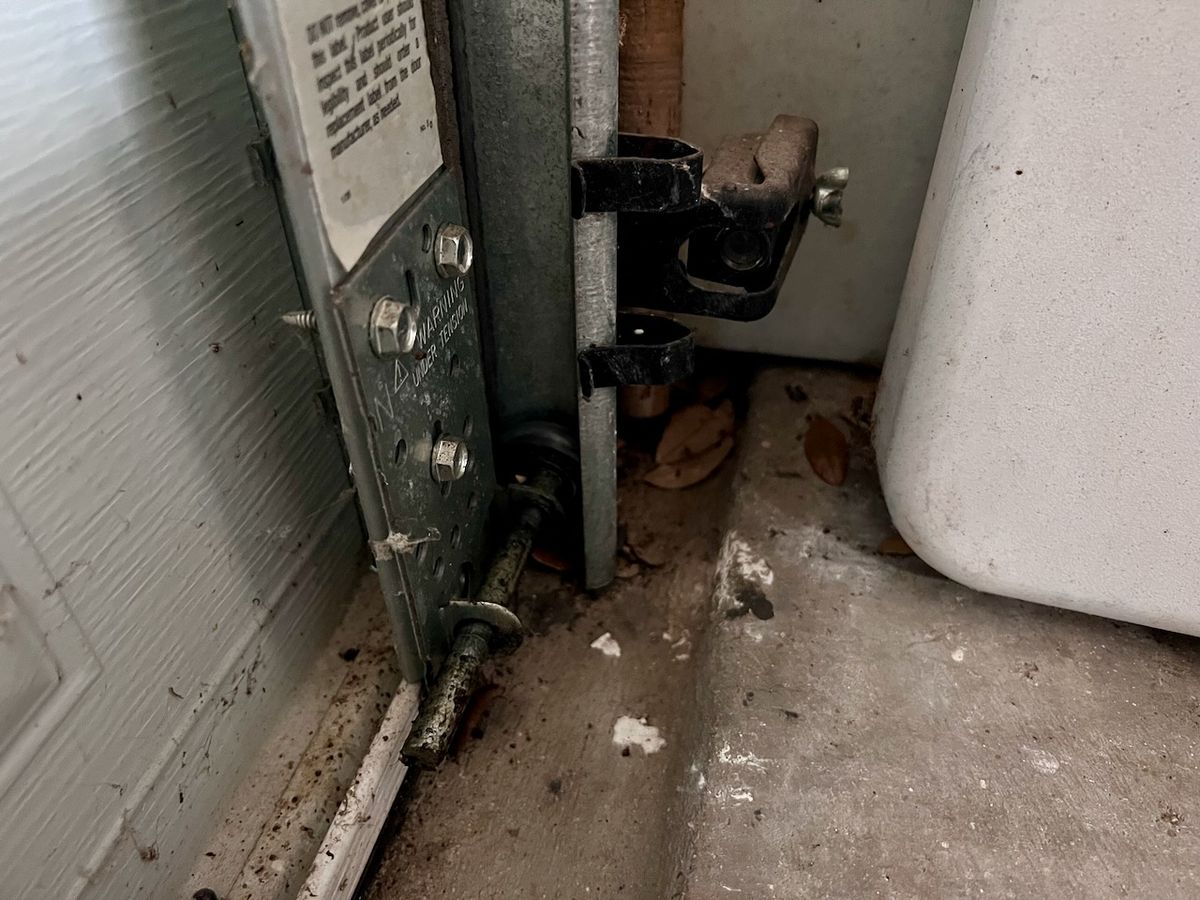
If you landed on this article, you’re most likely a contractor or DIY homeowner looking to pour a foundation for a garage. In the field, I have noticed over the years there is no standard used by home builders or concrete contractors when it comes to how the concrete key is formed out for a garage door.
What is a Concrete Key?
A concrete key is where the concrete drops about 1 1/2 inches by the opening of the garage door. The reason for this is so the garage door closes down into this key, which puts the bottom of the door lower than the grade of your garage floor.
While this key may not stop heavy flooding, it will stop driving rain that is penetrating under the garage door from flooding your garage floor. This lower concrete key gives you an added layer of protection when bad storms come through your area.
What is the Correct Width for a Concrete Key?
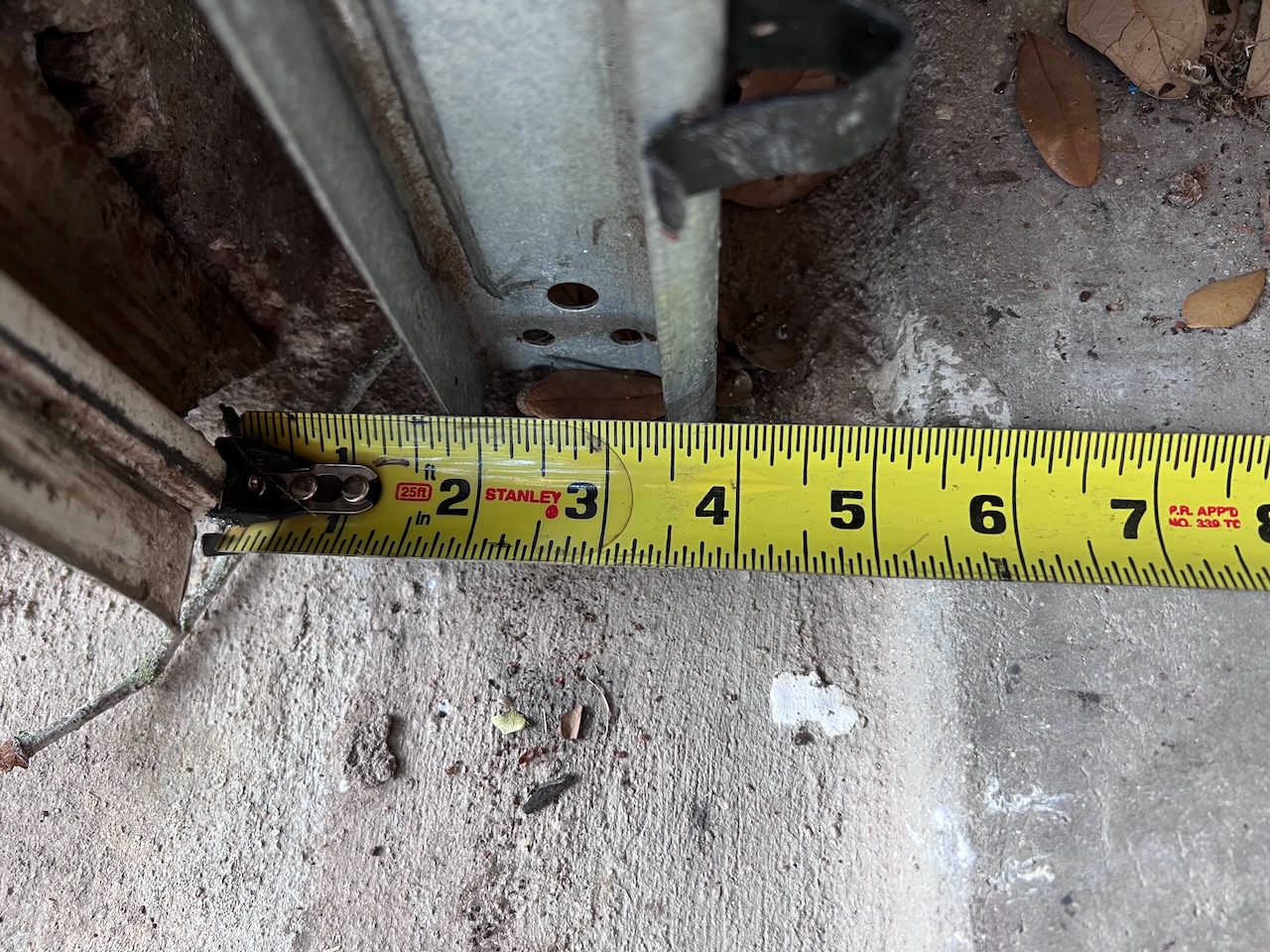
The correct width or depth of a concrete key for a standard 2-inch thick garage door is 5 1/2 inches. This is the width of a standard 2×6 board and commonly used by concrete contractors as a form when a foundation is poured for a garage.
The 5 1/2 inch depth is the distance the concrete key is inset into the garage from the wall the garage door tracks are attached to. In most circumstances, the interior wall would be drywall, but it can also be panelling, wood, or bare studs.
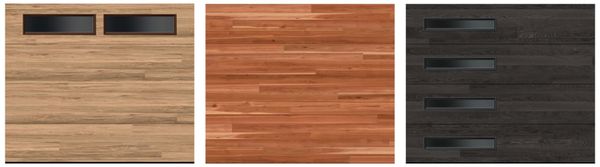
If you are opting to have a custom garage door installed with overlay or wood construction, you may need to check the width of your existing concrete key to make sure the door will fit down in the key.
What Happens if the Concrete Key is Not Deep Enough?
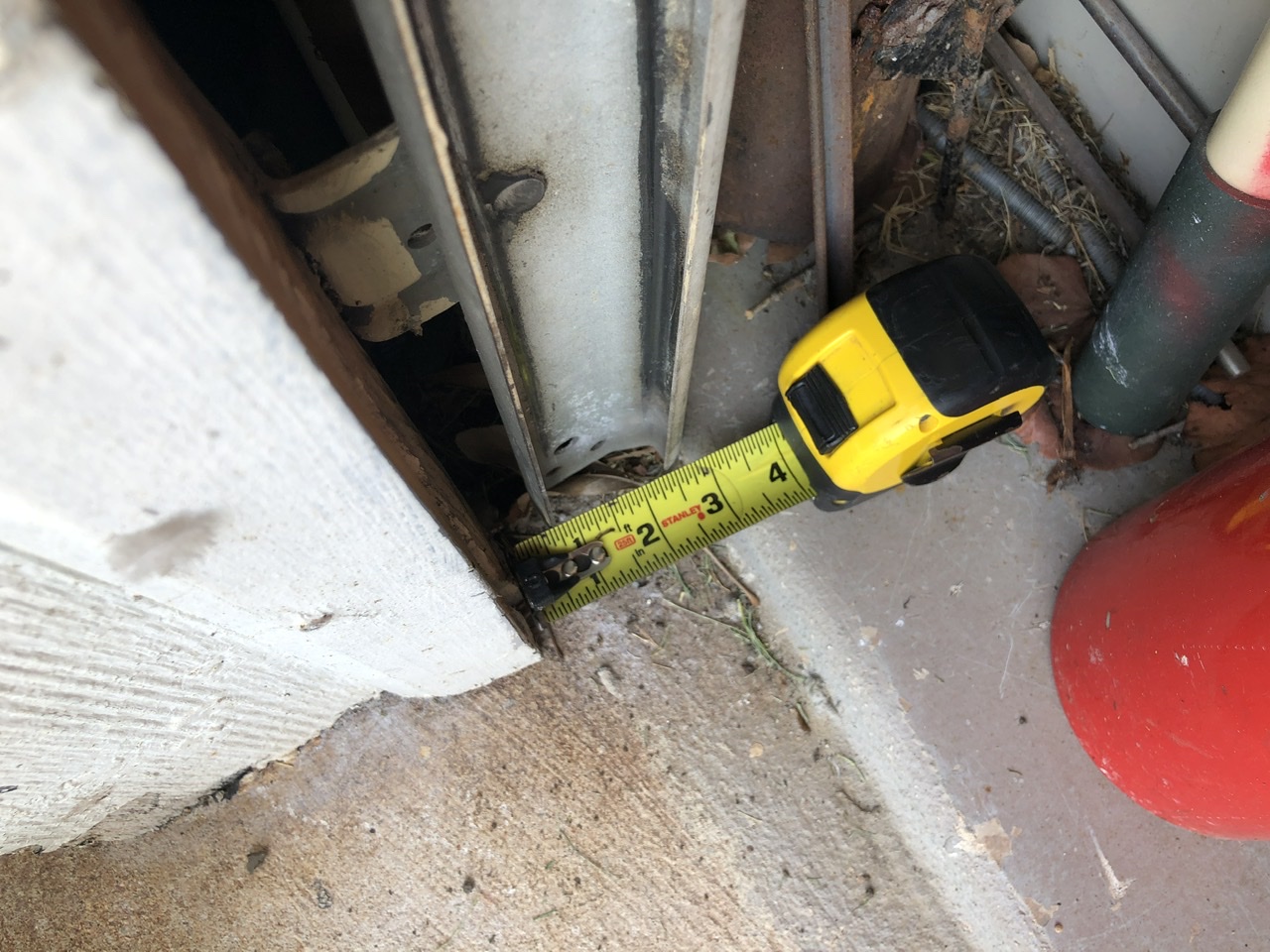
Years ago, when all garage doors were made of wood, the depth requirement for the concrete key was less because most wood doors were around 1 1/2 inches thick. Today the standard garage door is 2 inches thick with some doors coming in around 3–5 inches thick if they are an overlay or custom build configuration.
If you do have a concrete key that is too narrow, the installer can chip the key back where there vertical tracks are in order for it to be installed properly. If your concrete key is set at a very low height, sometimes vertical tracks can be installed on top of the key without hampering the operation of the door.
How Far Should the Concrete Key Go Past the Opening?
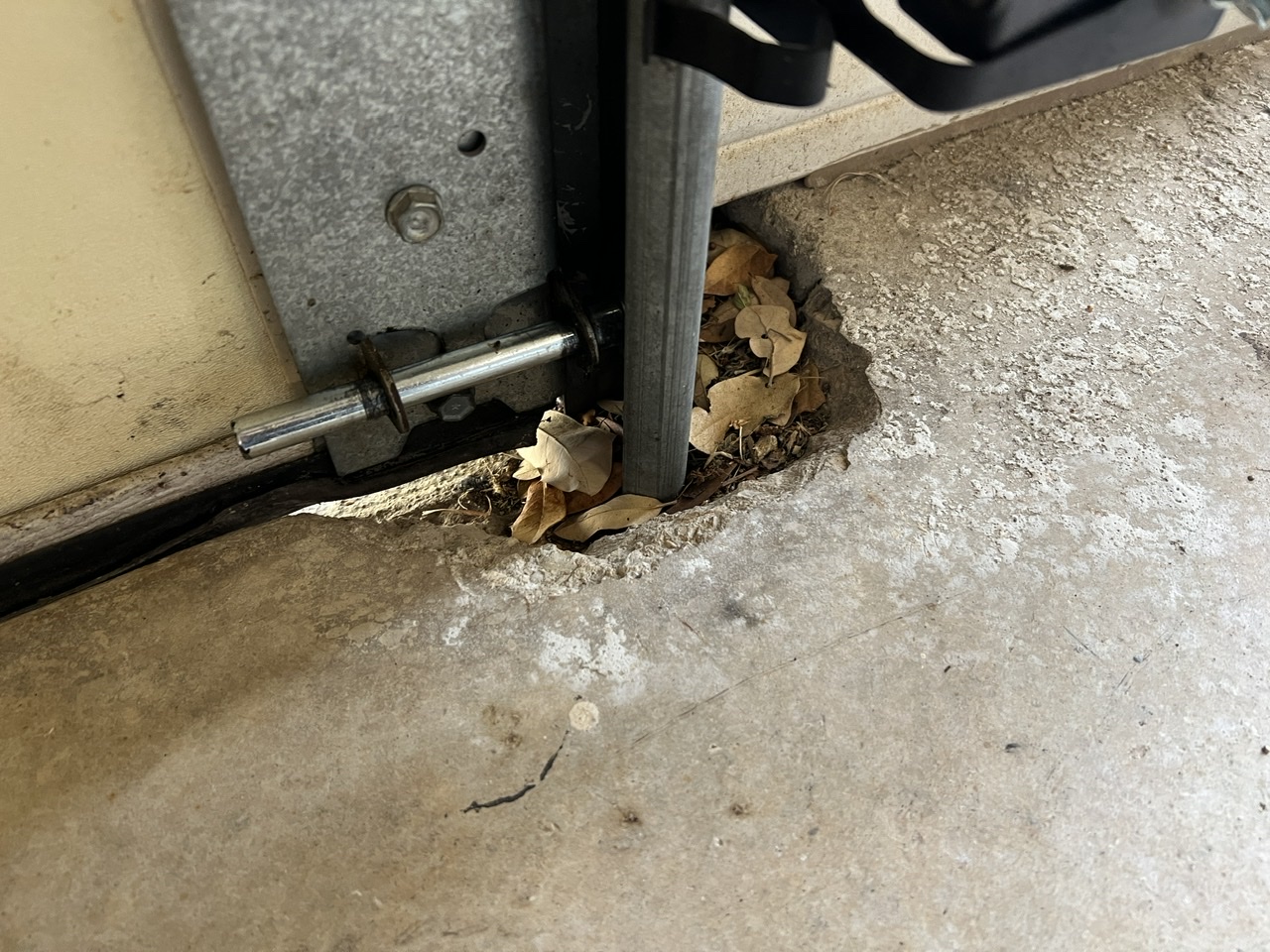
A good rule of thumb is to have the concrete key on the left and ride side extend about six inches to accommodate all types of vertical tracks. While standard residential tracks will need less room, upgraded tracks with continuous angle on the vertical will need more to sit all the way down so they are properly installed.
What Happens if My Concrete Key is Not Level?
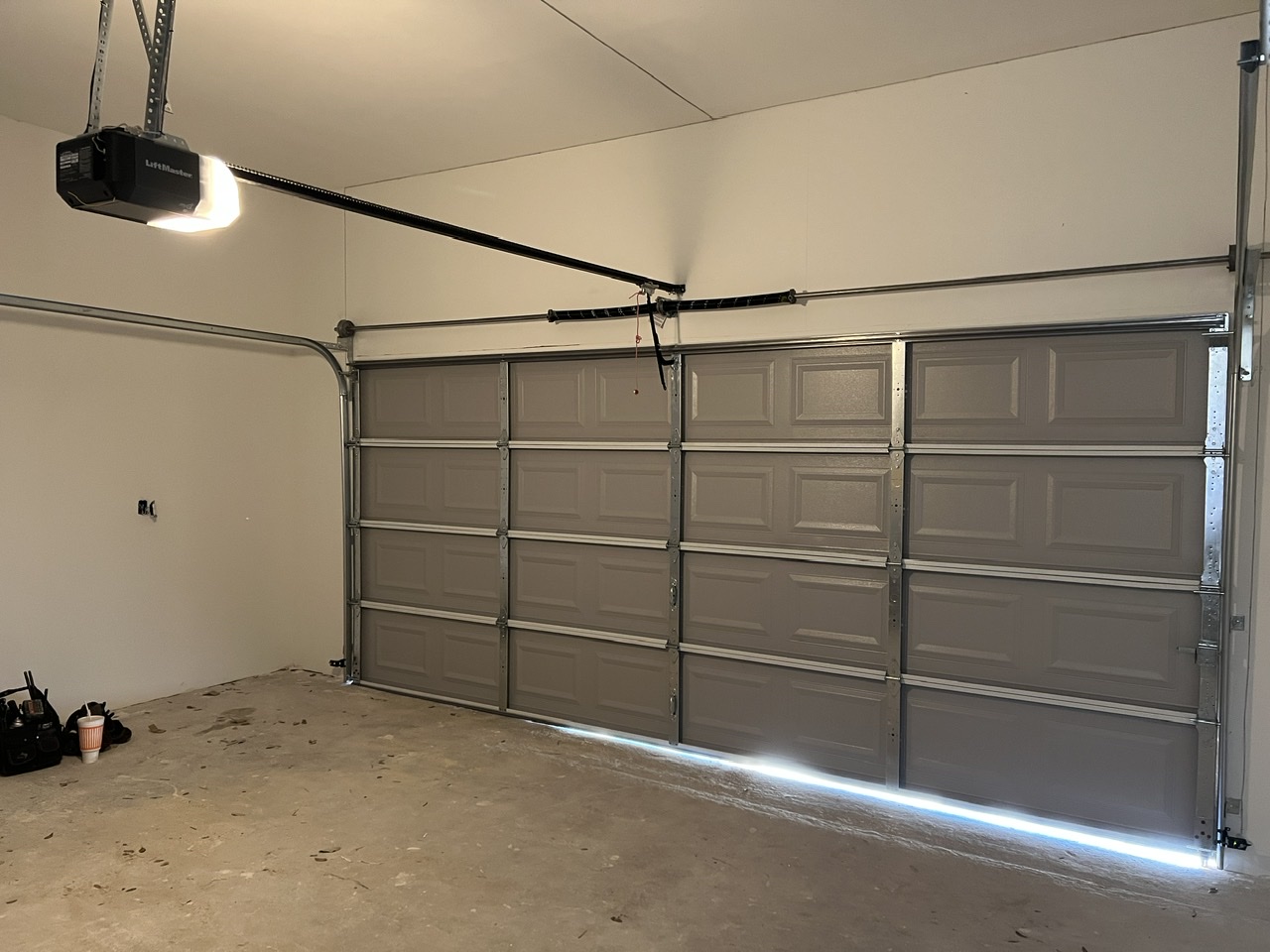
If your concrete is not level, you may have a gap under your garage door. If that is the case, you can upgrade the bottom weather seal on the door to a longer piece. Standard weather seal is 3–3 1/2 inches, and upgrading to a 5–6 inch seal will usually resolve the issue.
Another option is to install a bottom rubber threshold on the concrete in the area where the slope is more prominent. This will essentially build up that area, therefore closing the gap between the concrete and the bottom section.
Conclusion
Getting the concrete key correct from the start will eliminate many common problems we see with garage doors. The key is there to allow the garage door to sit down lower than the grade of the garage floor. The reason for this is to prevent any driving rain from penetrating inside the garage when it rains.
A little extra planning before the foundation is poured will help eliminate this issue and provide a great installation experience when your new garage door is installed. Driving rain and gaps under your garage door are the last thing you need to worry about when building a new home or detached garage.