Are High Cycle Garage Door Springs Worth the Price?
High cycle torsion springs are a great upgrade for homeowners looking for less downtime with their garage door in a busy household.

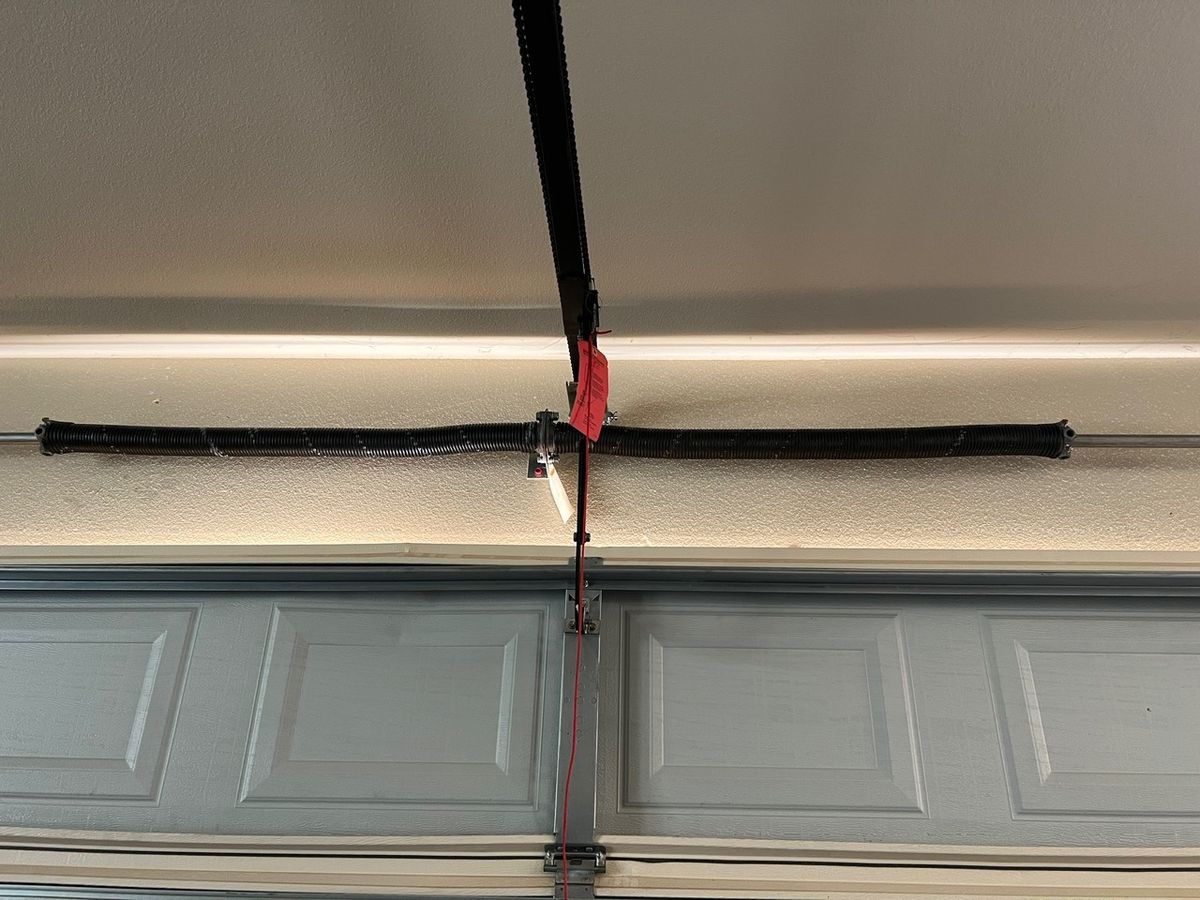
When discussing high cycle springs on garage doors, we will be referencing torsion springs. Torsion springs are the black coil of wire mounted above your garage door. This spring is what lifts the weight of your garage door, not your automatic opener.
Most homeowners don’t know their garage door has a spring, which is why they often have a perplexed look on their face when we point it out. The common misconception is the automatic garage door opener is what lifts the garage door. The automatic opener is there to only provide a convenience for the homeowner so they don’t have to manually lift their door.
What is a Cycle on a Garage Door?
One cycle on a garage door is the process of opening and closing your garage door. When this process takes place, the torsion spring above your garage door unwinds as it opens and then winds back up as it closes. The reason for this is so the spring will be fully wound the next time you are ready to open your garage door.
What is the Standard Cycles for Torsion Springs?
The standard cycles for a torsion spring on a garage door is a minimum of 10,000 cycles. This means the spring is designed to open and close the garage door at least 10,000 times before it breaks. This is the industry standard which means the springs installed on a garage door should never be rated less than 10,000 cycles.
Are High Cycle Springs Worth the Price?
Yes, high cycle torsion springs for your garage door can definitely be worth the price if your garage door company is being fair. In order for a garage door company to provide a high cycle spring, they will need to upgrade the wire size of the torsion spring which will also be longer.
This will cost the garage door company more money to purchase because there is more metal in a higher cycle spring. Now, with that being said, you can expect to pay around 25-50% more for high cycle springs. This is a good value considering the cycle count will most likely jump up from 10,000-12,000 cycles to around 30,000-40,000 cycles which will give you three times the life.
If you want more life on your garage door torsion springs, you can request a quote for 50,000 cycle springs. Even if the cost was double their original quote, the life of your springs should be around 4–5 times longer than standard springs.
How Much are High Cycle Torsion Springs?
You can expect to pay around $275-$375 for a single high cycle torsion spring, and around $375-$475 for a pair of high cycle torsion springs. Of course, the price you pay is dependent on what market you live in. Most garage door companies will give you a better price on two springs if they are both changed out on the same visit.
Purchasing a New Garage Door With High Cycle Springs
The most cost-effective way to purchase high cycle torsion springs for a garage door is when you are having a new door installed. The reason for this is the up charge a garage door company pays is very minimal.
When ordering a new door, ask your installing company to quote you high cycle springs rated anywhere from 30,000-50,000 cycles. This will dramatically reduce future repair expenses and the number of times you are inconvenienced with a vehicle trapped in the garage. This is especially important for families who only use the garage door as their main entry point into the home.
Why Do My Garage Door Springs Break Sooner Than Expected?
The number one reason your garage door springs are breaking sooner than you expect is because you are using your garage door as the main entry point into your home. Most homeowners don’t realize how many times they open and close their garage doors, especially if they have children.
Another reason is the standard spring installed on a garage door in the old days had larger wire size. Due to the rising cost of steel, manufacturers have started installing springs with smaller diameter wire. While they do meet the minimum 10,000 cycle standard, they are rated anywhere from 3,000-6,000 cycles less than the standard of the past.